

As we head into the final days of May, the mortgage market remains under pressure from a mix of resilient economic data, evolving fiscal policy, and growing uncertainty around the Federal Reserve’s next move.

Here's a full breakdown of recent developments and what lies ahead after the Memorial Day Weekend.
⚖️ Bonds and the BBB
Last week, the price of mortgage rates continued their grind higher.
Much of this movement was driven by stronger-than-expected economic data, including April’s retail sales (up 0.7% month-over-month) and jobless claims (210,000, below forecasts).
This latest data challenged widely held assumptions that the Federal Reserve would cut the Fed Funds Rate this summer, and as a result pushed the 10-year Treasury yield to a weekly high of 4.628%.
The sell-off was exacerbated by negotiations over Trump’s Big Beautiful Bill (BBB) – a sweeping fiscal package that initially raised fears of ballooning deficit spending.
This midweek sell-off in Treasuries also dragged mortgage-backed securities (MBS) lower, adding more upward pressure to mortgage costs.
However, the 10-Year recovered late in the week, closing at 4.514% on Friday.
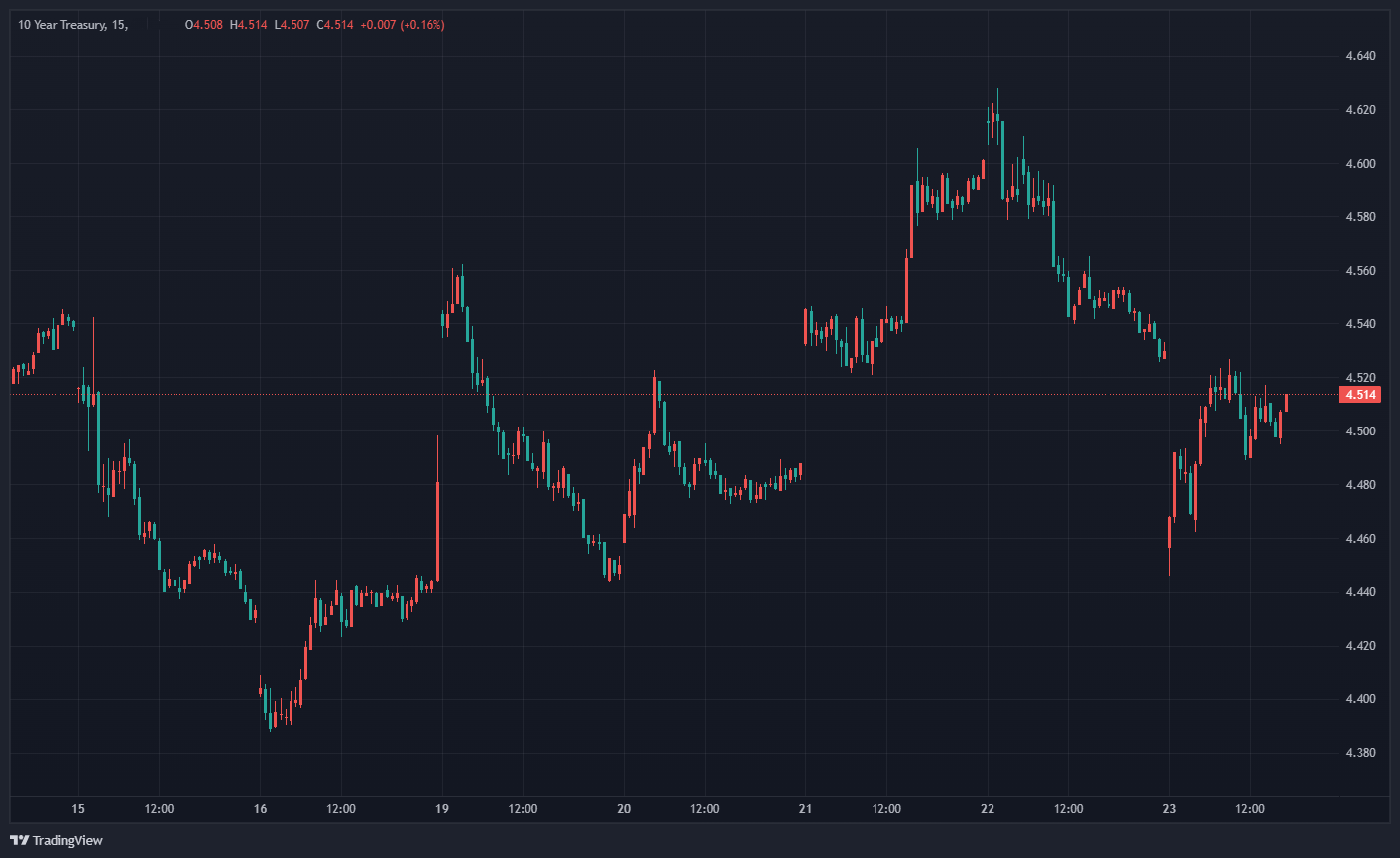
This modest improvement came after details emerged suggesting Department of Government Efficiency (DOGE) initiatives would offset much of the increased spending from the BBB, making the bill more palatable by markets.
📆 The Week Ahead:
This holiday-shortened week (markets closed Monday for Memorial Day) features key data:
Home Price Indexes (Tuesday):
Both the Case-Shiller and FHFA home price indexes will be released, offering a fresh look at housing appreciation trends amid still-tight inventory levels.
FOMC Minutes (Wednesday):
The Federal Reserve will release minutes from its most recent policy meeting. Investors will be looking for clues about internal Fed debates, especially around inflation persistence and timing of potential rate cuts.
Core PCE Inflation (Thursday):
The Personal Consumption Expenditures (PCE) price index, which the Fed considers its preferred inflation gauge, is expected to show whether pricing pressures are moderating. Any surprise here could shift rate expectations quickly.
Consumer Sentiment (Friday):
The University of Michigan’s final May reading on consumer sentiment will be closely watched, especially inflation expectations, which recently hit their highest level since 1981.
Fed Speaker Circuit:
Multiple Federal Reserve Presidents, including Austan Goolsbee and Neel Kashkari, are scheduled to speak throughout the week.
Fed commentary has become an influential tool during Powell’s era as Fed Chairmen and has been leveraged by the FOMC to sway (jawbone) markets by providing deeper context into their policy decisions.

The appearances this week are well-timed with the release of the Fed minutes on Wednesday.
🔎 Big Picture Outlook
MORTGAGE RATES:
Persistent inflation, a strong labor market, and fiscal policy developments are putting downward pressure on bonds prices, including mortgage bonds.
It is important to remember mortgage rates do not rise or fall in the USA. Instead, the cost of each rate changes based on the daily fluctuation in the price of mortgage-backed securities (MBS).
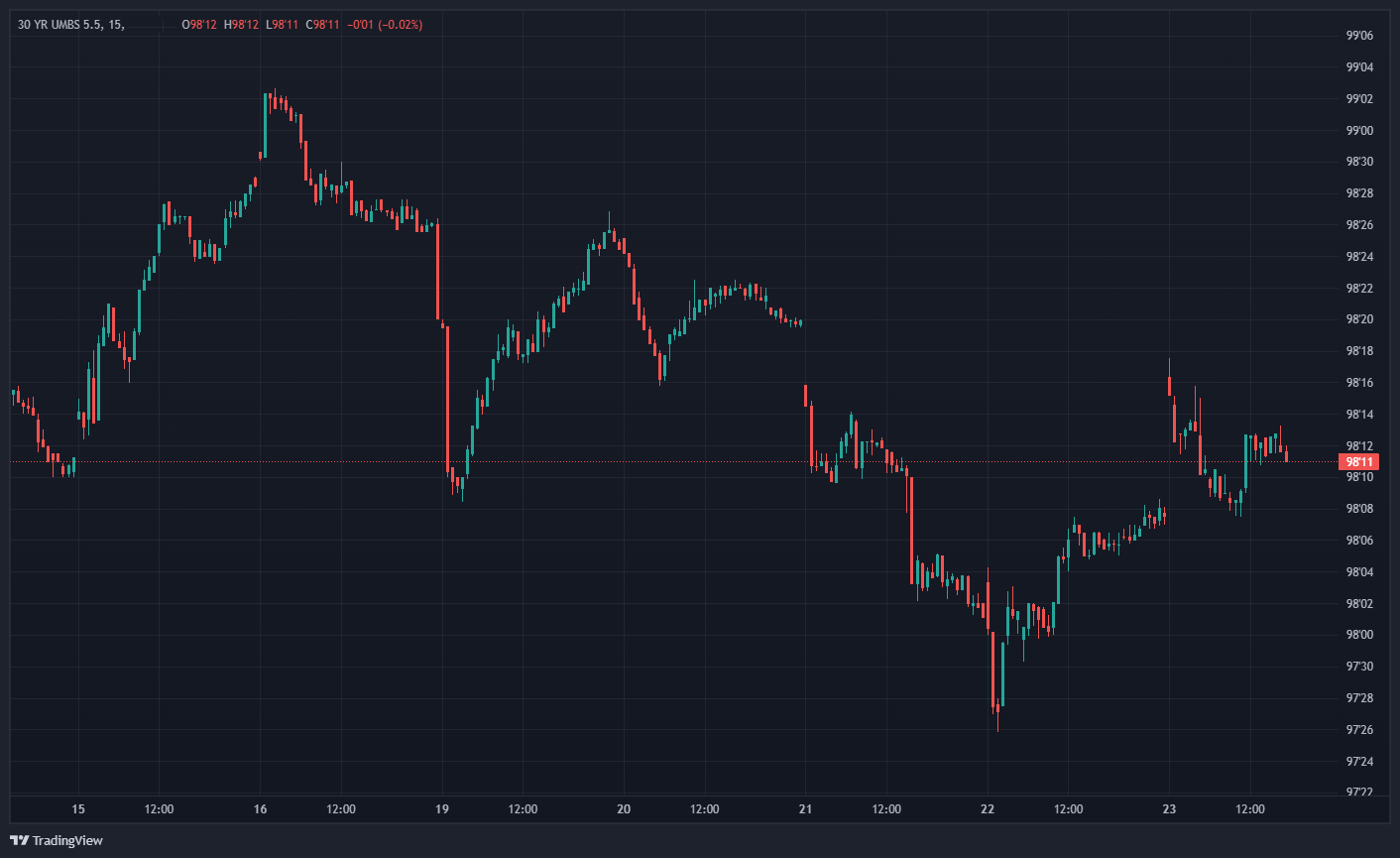
When the price of mortgage bonds decline, the cost of mortgage rates increase – which is often described incorrectly as “higher mortgage rates”.
What is actually happening when MBS prices decline, is lower mortgage rates become less affordable.
It’s not that the lower rates are no longer available, it’s that the cost (discount fee) of those rates is no longer economically feasible for borrowers to pay, so lenders refrain from promoting them.
Hence why people think mortgage rates are rising or falling, when in fact it is the price of each rate that is changing.
You can read more on the relationship between mortgage bonds (MBS), loan originators, and the cost of rates, in this recent Substack article.

HOUSING MARKET:
On the housing front, prices continue to rise steadily.
Existing home sales hit a 30-year low in April (3.84M annualized), with inventory up 9% year-over-year helping to improve selection for buyers.
However, home prices (Case-Shiller up 3.2% year-over-year) an increased borrowing costs continue to challenge affordability, while foreclosures remain low (0.3% of loans).
🔑 Rate Lock Recommendations
SHOULD YOU LOCK OR FLOAT?
15 Days: ✅ Lock Now
Given current market volatility and rising rates, securing a rate promptly is advisable.
30 Days: ⚠️ Consider Locking
Softer than expected PCE could ease rates slightly, but upcoming economic data releases pose risks, so locking in a rate is the “better safe than sorry” approach.
60 Days: 🕒 Float Cautiously
Monitor economic indicators and Federal Reserve communications closely; opportunities for favorable rates may arise, especially if recession fears return despite a potential boost to growth from the BBB.
Want to check customized, real-time mortgage rates instantly?
LendZen gives you anonymous access to mortgage rates that update as bond prices change.
Get full transparency of costs upfront and instant qualification results without any signup or human interaction required.
See for yourself and customize your own loan scenario at LendZen.com
